That first spin or bet feels different when real money’s on the line, right? Deciding whether to start with demo mode or jump straight into real stakes can shape your whole learning curve.
Table of Contents
What Demo Play Actually Teaches a Beginner
Emotional Differences Between Free and Funded Games
Skill Transfer From Practice to Paid Sessions
Limits of Playing Without Real Consequences
Deciding When to Move to Real-Money Tables
What Demo Play Actually Teaches a Beginner
Demo modes offer a risk-free playground to explore mechanics. You’ll find slots like Book of Dead and Starburst in free versions, letting you learn paylines, bonus triggers, and volatility without losing a cent. Many providers such as NetEnt or Play’n GO design these demos identical to paid versions, so the gameplay feels authentic.
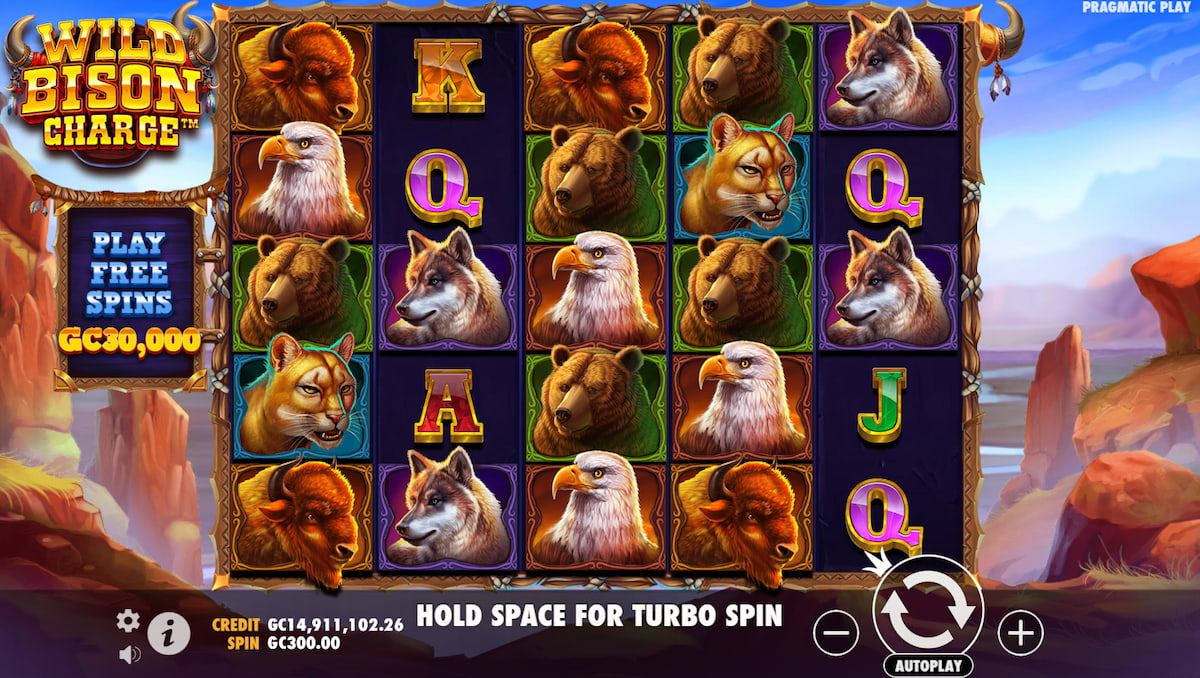
For table games like Blackjack Classic or European Roulette, demo play familiarizes you with rules and bet options. You can practice strategies at your own pace-no pressure. But demos can’t replicate the adrenaline of real stakes or the impact of your bankroll dwindling.
Emotional Differences Between Free and Funded Games
The catch is, emotions run different when you wager your own cash. Demo play feels like a video game, but real-money tables trigger adrenaline spikes, affecting decisions. You’ll notice how your heart races during a big blackjack hand or a lucky spin on Gonzo’s Quest.
Sites like https://skrillcasinosites.org/au/ explain how payment options and smooth deposits can ease this transition. When you fund your account, that sense of commitment changes how carefully you play. Even a €5 bet suddenly feels meaningful.
Skill Transfer From Practice to Paid Sessions
Skills from demo play transfer, but not perfectly. Knowing when to hit or stand in blackjack comes from practice, and understanding slot volatility helps manage expectations. For example, Sweet Bonanza’s RTP of 96.51% stays constant whether demo or real.

Still, real stakes introduce variables like bankroll management and emotional control. Without money on the line, you might take riskier bets or ignore limits. Practicing with low real stakes can bridge this gap, letting you feel real pressure but with limited exposure.
Limits of Playing Without Real Consequences
Demo play can’t teach you to handle losses emotionally or stick to a budget. That’s crucial because chasing losses or overbetting are common pitfalls. An in-depth article highlights how low house-edge video poker strategies require discipline beyond just knowing rules.
Plus, some games restrict features in demo mode. Live dealer games often lack free play, so you miss the social and real-timing aspects. You won’t experience withdrawal processes or bonus terms that impact real play.
| Aspect | Demo Mode | Real Stakes |
|---|---|---|
| Risk | None, play with virtual credits | Actual money at stake |
| Emotional Impact | Low, no real loss | High, affects decisions |
| Skill Development | Rules and strategy practice | Bankroll and risk management |
| Game Features | Usually full but no cashout | Full features, including withdrawals |
| Social Interaction | Rare, mostly solo play | Live tables and chat |
Deciding When to Move to Real-Money Tables
You know your game inside out in demo mode, but how do you know it’s time for real money? If you consistently win or understand the house edge-like the 96.21% RTP in Book of Dead-and can keep emotions in check, stepping up makes sense.
Start small. Fund your account at trusted sites, testing options like Skrill or Neteller to ensure smooth deposits and withdrawals. Set strict limits. If you find your play becomes more strategic and less impulsive, that’s a green light.
But don’t rush. Demo play remains useful for trying new games without risk. Mixing both approaches can sharpen your skills and keep sessions fun without reckless losses.