Ever wondered how regulated casinos keep your money and well-being safe? The safeguards in place might surprise you.
Table of Contents
Deposit and Loss Limits Required by Licence Conditions
Self-Exclusion Programmes and Cross-Operator Registers
Player Fund Segregation Obligations
Dispute Resolution Procedures Under Regulation
How Enforcement Keeps Operators Honest
Deposit and Loss Limits Required by Licence Conditions
One of the first lines of defense you’ll find in regulated casinos is the mandatory deposit and loss limits imposed by licensing authorities like the UKGC or MGA. These limits force operators to cap how much you can deposit daily, weekly, or monthly. For example, the UKGC requires casinos to let you set your own limits, and many stick to a maximum daily deposit of around £1000 by default. But it’s not just about deposits; loss limits often align closely, so you can’t burn through your bankroll too fast without a breather.
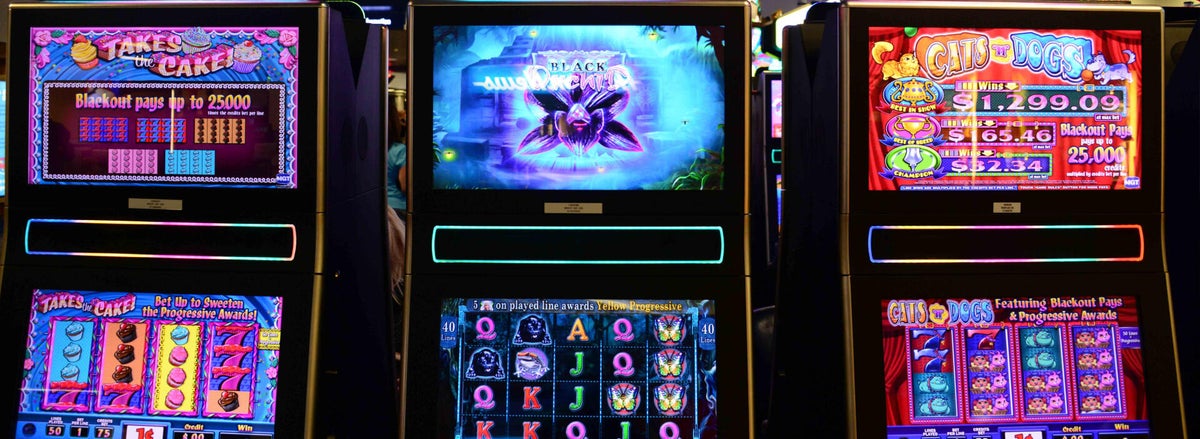
These restrictions protect you from chasing losses recklessly-especially on popular slots like NetEnt’s Starburst or Pragmatic Play’s Sweet Bonanza, where spins can go fast. The catch is that some smaller operators may set these limits quite high initially, relying on you to lower them yourself, which doesn’t always happen.
Self-Exclusion Programmes and Cross-Operator Registers
If things get out of hand, self-exclusion programmes are your safety net. Regulated casinos must provide ways for you to block yourself temporarily or permanently. The UK’s GAMSTOP is a perfect example-a cross-operator register that stops you from accessing any participating online casino once you sign up.
It’s worth noting that such registers aren’t universal yet, but they’re gaining traction. Signing up means you can’t log into casinos licensed by the UKGC or MGA for your chosen exclusion period. You can see how top Google Pay online casinos are ranked, many of which respect these self-exclusion tools seriously.
These programmes often require casinos to provide links to support organizations like GamCare or BeGambleAware. But beware-some offshore sites don’t participate, so sticking to regulated operators is vital.
Player Fund Segregation Obligations
One concrete way casinos protect your bankroll is through player fund segregation. Regulation mandates that operators must keep your money separate from their operational funds. For instance, MGA-licensed casinos hold player deposits in distinct bank accounts, so if the operator goes bust, your cash isn’t tangled in company debts.

This segregation isn’t just a suggestion-it’s a license condition that can be audited by regulators. For example, Microgaming and Evolution Gaming powered casinos under strict rules must prove these segregations quarterly. It means your deposits for slots like Book of Dead or live blackjack tables have an added layer of security.
Still, the catch is that not all jurisdictions enforce this rigorously. Some Curacao-licensed casinos only loosely follow segregation rules, which is why choosing casinos with licenses like the UKGC or MGA is safer.
Dispute Resolution Procedures Under Regulation
When things go wrong, dispute resolution procedures kick in. Licensed casinos must have clear processes to handle complaints-whether it’s a stuck withdrawal or a miscalculated bonus. Typically, you file a complaint with the casino’s support team first, and if unresolved, you escalate to an independent adjudicator.
For example, the UKGC’s Alternative Dispute Resolution (ADR) service steps in if the operator doesn’t fix your issue within 8 weeks. The MGA offers a similar entity called the Office of the Arbiter for Financial Services. These services can enforce refunds or bonus corrections after reviewing evidence.
Don’t hesitate to try this site to understand slot themes better while you wait for your issue to resolve-it’s a handy distraction.
Comparison of Consumer Safeguards Across Top Licences
| Safeguard | UKGC | MGA | Curacao |
|---|---|---|---|
| Deposit/Loss Limits | Mandatory player-set limits, default caps | Mandatory limits, less prescriptive | Optional, rarely enforced |
| Self-Exclusion | GAMSTOP and operator schemes | Operator schemes, no cross-operator register | Minimal or none |
| Player Fund Segregation | Strict segregation audited quarterly | Segregation required, audits less frequent | Often ignored |
| Dispute Resolution | Independent ADR with binding decisions | Office of the Arbiter, binding rulings | No formal ADR |
| Enforcement | Heavy fines, license revocation | Fines and suspensions | Limited or no enforcement |
How Enforcement Keeps Operators Honest
Regulators don’t just set rules-they police them. The UKGC, for example, fined operators like 888 Casino over £7.8 million in 2021 for failing to protect consumers properly. These penalties come after routine audits or player complaints.
Enforcement often includes license suspensions or public warnings, which can tank an operator’s reputation overnight. MGA has also imposed multi-million euro fines on companies that failed to segregate funds or handle complaints correctly. These actions send a clear message: cut corners, and you pay dearly.
But here’s the catch-enforcement varies widely by jurisdiction. The UKGC is known for its tough stance, while others like Curacao struggle to keep up. So, if you want your money truly protected, stick with casinos regulated by authorities that back up their rules with real teeth.
At the end of the day, these safeguards exist so you can enjoy games like Gonzo’s Quest or live Baccarat without worrying about what happens behind the scenes. Play smart, choose wisely, and remember-regulated means safer.